A Bit More About Us
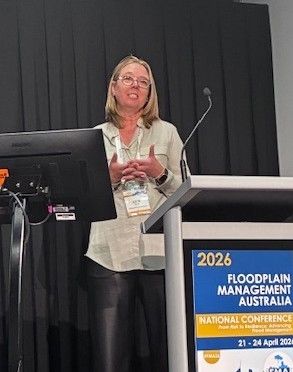
Liza Gelt
Decision-making under uncertainty and emergency management systems Liza Gelt specialises in decision-making in complex, high-uncertainty environments. Her work draws on extensive experience across local, state and federal emergency management organisations, spanning multiple jurisdictions and hazard types including fire, flood and severe weather. Liza focuses on how decisions are made in practice—bringing together predictive models, local knowledge, experience and relationships to support effective action under pressure. Her work emphasises sense-making, recognising that decision-making is rarely about a single input, but about interpreting multiple sources of information in context. A consistent theme in Liza’s work is the role of people and partnerships. She places strong emphasis on trust, community engagement, and the importance of shared understanding across agencies and communities. Her work supports organisations to strengthen capability, improve decision support, and build systems that are better able to respond to increasing complexity and uncertainty.
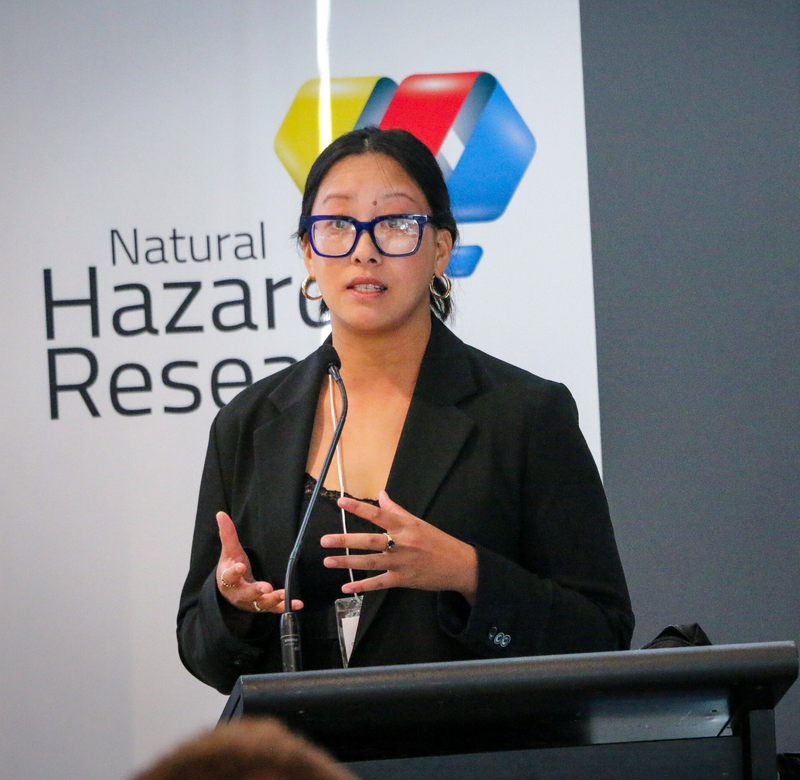
Rosie Tran
Impact evaluation, intergenerational and cultural insight, and making sense of what matters Rosie Tran starts with a simple question: so what? It’s a familiar one in evaluation – used to test why something matters. In her work, it becomes a way of making sense of impact in practice: not just what was done, but what it means and whether it’s useful for decision-making. Rosie’s work sits between rigour and accessibility, bringing together quantitative evidence and lived experience. As an honorary fellow at the University of Melbourne’s Social Equity Institute, she is currently developing an impact measurement framework for YLab, with a focus on embedding impact thinking into everyday decision-making. A key strength in her work is how she listens. Through her work with young people – and her lived experience as a refugee and first-generation migrant – Rosie brings a nuanced understanding of how different generations and communities interpret purpose, communicate, and engage with impact. This shapes how she interprets what she hears, not just what is said. For organisations, including those in emergency management, this matters. Workforce and community profiles are increasingly diverse, and insight depends on understanding those differences clearly enough to act on them. Rosie’s focus is not just on measuring impact, but on making it usable – so it informs what happens next.